



Protein timing is a topic that can cause confusion. Should you take protein straight after a workout? Is breakfast protein more important than dinner? Does missing a post-gym shake mean you’ve “wasted” your session?
For something that sounds simple, the advice can feel surprisingly overwhelming. So instead of chasing the latest gym rule or social media claim, Sports Dietitian, Rachel White, helps us make sense of what protein timing really means, and when it matters.
What follows is a calmer, more practical picture that puts total daily protein intake and consistency firmly ahead of clock-watching.
Why Protein Timing Became a Popular Nutrition Topic
Protein timing didn’t become a talking point by accident. Like many nutrition trends, it grew out of a mix of early science, simplified messaging, and strong cultural associations.
During her career, Rachel has provided tailored nutrition support for endurance and professional athletes to optimise their everyday nutrition and fuel for performance. “In truth”, she says, “we all want an easy fix.” But is there a quick win, and what does the research say about protein timing?
How did early science create timing myths?
Early research into muscle protein synthesis often looked at what happened after a single protein-containing meal or supplement. These studies suggested there might be a limit to how much protein the body could use for muscle building at once, often quoted as around 20g per serving.
Those findings were never meant to be applied rigidly, but they were quickly simplified. The idea that protein synthesis “maxed out” after a certain dose helped fuel the belief that timing and precision were critical, and that missing a window meant missing results.
As Rachel explains, “What often happens with nutrition science is that it gets simplified and slightly misinterpreted.”
Cultural associations with gym supplementation
Protein timing also has longstanding associations with bodybuilding and gym culture. A clear and appealing message began to dominate: drink a protein shake immediately after lifting weights and you’ll build muscle faster.
This narrative stuck, not because it was entirely wrong, but because it was easy to understand and easy to market. Over time, protein timing became framed as something you had to get right, rather than one part of a much bigger picture.

What Does Science Say About Protein Timing?
Once you zoom out from single-meal studies and look at longer-term research, the story around timing becomes more nuanced.
Total daily protein intake is the primary driver
The most consistent finding across the research is this: total daily protein intake matters more than precise timing for most people.
Longer-term studies, including research on time-restricted eating, show that as long as people consume enough protein overall, muscle mass can be maintained even when meals are eaten within shorter daily windows. In other words, the body is more flexible than early timing rules suggested.
As Rachel puts it, “The first step to optimising muscle protein synthesis is ensuring adequate protein intake across the day. Once that’s dialled in, then timing can be considered.”
Find out more about your protein needs in our article: How Much Protein Do Adults Actually Need – and Why Do We Underestimate It?
Distribution across meals still supports outcomes
That said, timing and protein distribution aren’t irrelevant.
Current sports nutrition guidelines suggest that spreading protein across meals is practical and supportive, particularly because it naturally encourages people to eat enough protein overall.
In Rachel’s experience, most people who eat balanced meals will naturally distribute protein without needing to track or schedule it.
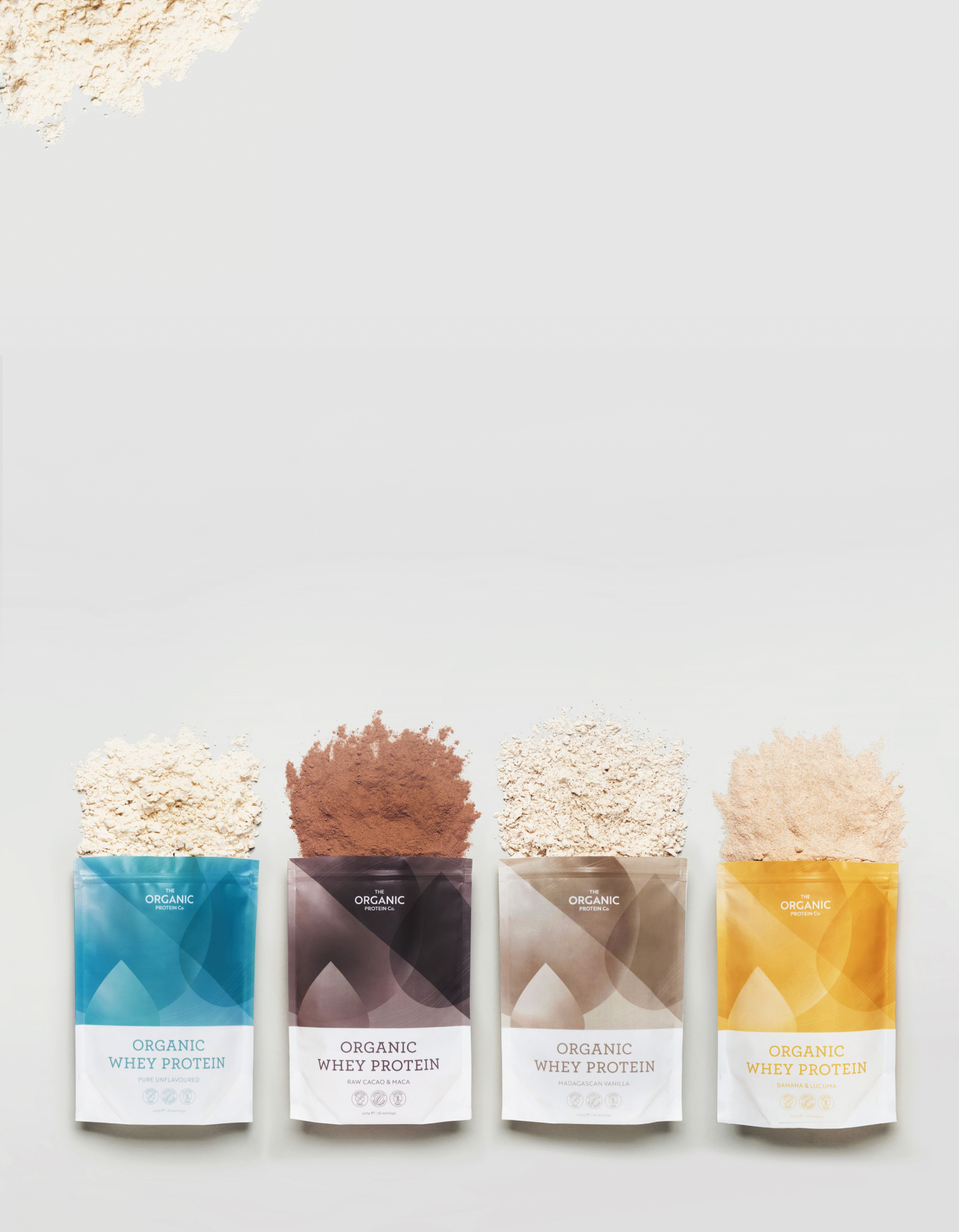
Increase your protein intake easily: try whey protein from The Organic Protein Co.
Is The “Anabolic Window” Myth or Fact?
Few ideas in nutrition have been as persistent as the anabolic window, the period after exercise when muscles are more receptive to nutrients.
Why is the anabolic window wider than once believed?
Early messaging suggested the anabolic window was extremely narrow, often quoted as 30–60 minutes.
More recent research has significantly revised this view. While consuming protein after exercise does support recovery and muscle repair, the window doesn’t slam shut after an hour. In fact, Rachel confirms that it appears to extend to up to 24 hours post-exercise.
“Consuming protein after exercise, and then at regular intervals throughout the day, results in a more sustained delivery of amino acids to the muscle which promotes muscle growth and repair.”
What matters more than timing in practice?
From a practical perspective, this reframes the question. Instead of asking, “Did I drink protein soon enough after exercise?”, it becomes:
Am I eating enough protein today?
Am I supporting recovery between sessions?
Am I fuelling my body consistently between training sessions?
When thinking about recovery after exercise, it’s important to consume carbohydrates alongside protein. As Rachel reminds us, this combination of macronutrients helps to replenish glycogen stores and support muscle protein synthesis.
When Timing Matters (And When It Doesn’t)
While timing may not be super critical for everyone, there are situations where it can become more relevant.
When recovery time is limited
When workouts are less than 24 hours apart, the body has a shorter window to repair and prepare for the next training session. In these situations, ensuring protein intake is both sufficient and regularly spaced can better support recovery.
“Athletes or very active individuals may benefit from paying more attention to timing than the general population,” says Rachel.
Older adults benefit from strategic timing
As we age, muscles become less responsive to protein, a phenomenon known as anabolic resistance. For older adults, increasing total protein intake is the priority, but timing can help make that intake more practical.
Many people consume most of their protein at dinner. According to Rachel, “Encouraging more protein at breakfast, lunch, and snacks can help older adults reach adequate intake across the day, rather than relying on one large evening meal.”
That said, research suggests that even an uneven distribution of protein across the day may still help preserve muscle mass if total intake is sufficient. This might be especially true when protein consumption is combined with resistance and balance exercise.
Learn more here: How does protein improve the quality of life for seniors?

Does pre-meal protein stabilise glucose levels?
Emerging research suggests that consuming protein before meals may help blunt post-meal blood glucose spikes, likely by slowing digestion and stimulating hormones involved in glucose control.
However, this evidence is still early and based on small, short-term studies in people with type 2 diabetes. Further research is now underway.
Why Does Spreading Protein Across the Day Usually Matter More?
Rather than chasing the “perfect” time to eat protein, spreading intake across the day tends to offer more reliable benefits.
Frequent stimulation of muscle protein synthesis
Each protein-containing meal provides amino acids that support muscle protein synthesis. Spreading intake across 3 or 4 meals or snacks allows for repeated stimulation, rather than relying on a single large dose.
Preventing long gaps without amino acids
Eating protein regularly throughout the day results in more sustained delivery of amino acids to the muscle. “This promotes muscle growth and repair,” Rachel reminds us.
Rather than worrying about exact timings, eating regular meals with protein makes it easier to support adequate intake of amino acids throughout the day.
Find out more: What Are the Most Common Mistakes People Make When Adding Protein to Their Diet?

Final Thoughts: The Priority Hierarchy of Protein Intake
For most people, protein is most beneficial when they:
- eat enough protein consistently
- include protein with each meal
- add protein to fit around training and recovery habits
As Rachel summarises for us, “It doesn’t need to be overly complicated. As with most nutrition principles, remember it’s consistency over perfection.”
Why We Founded The Organic Protein Co.
At The Organic Protein Co., we craft our whey powders with everyday health and digestion in mind. No artificial fillers or additives, just high-quality, organic wheys made to higher welfare standards. Here’s what makes our protein different:
Fresh organic whey made without chemicals
Cold-filtered undenatured protein
Bioactive proteins are preserved to support bone, muscle and immune health
High-quality protein that provides essential amino acids the body can readily use
Versatile, convenient and easy to add to smoothies, bakes or oats
A range of award-winning wheys to choose from
Our organic whey protein is designed to fit into real life. Shop our range today.