




Many of us want to add more protein to our diet, whether for energy, immune support, muscle health, or long-term wellbeing.
Yet despite good intentions, protein is often added inconsistently, or without considering quality, timing, or balance.
The result can be frustration. People feel they’re “trying harder” but not seeing benefits. In most cases, the issue isn’t a lack of effort, it’s a handful of common mistakes that are easy to correct. Once you understand these mistakes, it’s easier to include protein in a way that’s effective without being overwhelming.
Why Many Adults Struggle to Add Protein Properly
Before looking at specific mistakes, it’s helpful to understand why protein intake is challenging in the first place. Busy lifestyles, exercise patterns, and family, work or social pressures can all lead to skipped meals, rushed lunches, or convenience food options.
For many adults, struggling with protein intake is linked to misunderstandings and modern day pressures.
Misunderstanding portion sizes and protein density
One of the biggest barriers is simply not knowing how much protein is actually in common foods.
Meals may look balanced and nutritious, yet provide far less protein than expected. For example, a grain-based salad, fruit smoothie, or bowl of porridge can appear filling but contribute only a small amount of protein overall.
Protein density is a measure of the amount of protein a food offers relative to its total calories or weight. It indicates how protein-rich something is. While some foods contain protein in meaningful amounts per serving, others contribute only a few grams.
Protein needs are also not fixed. They can increase during periods of hard training, illness, injury, or recovery, which is why a flexible, food-first approach works best.

Fear of “too much protein” despite evidence
Another common issue is fear. Protein is often associated with extreme fitness culture or highly processed products. This can make it feel intimidating or unnatural.
There’s also lingering concern about protein being “hard on the kidneys,” advice that is only relevant for a relatively small number of people diagnosed with specific types of kidney disease. This information is widely misapplied, and for healthy adults, appropriate protein intake from whole foods is safe and beneficial.
When protein is added as part of a balanced diet, rather than forming a more extreme approach to fitness or weight loss, these fears tend to fade.
Mistake #1: Eating Too Little Protein Per Meal
Even when the total daily intake of protein appears reasonable, many adults fall short at individual meals. This limits how effectively the body can use protein for repair and maintenance.
Missing the leucine threshold
Leucine is a branched-chain amino acid (BCAA) found in proteins, including our whey protein.
The leucine threshold refers to the amount of leucine needed at a meal to trigger muscle repair and rebuilding, or muscle protein synthesis.
Rather than grazing on very small amounts of protein throughout the day, the body responds best when meals contain enough high-quality protein to reach this threshold.
Recent studies have shown that leucine does not act in isolation. While it contributes to the muscle’s response to protein, the range of essential amino acids ingested, overall protein quality, and the context of the meal itself all play a part, too. This highlights why protein quality matters just as much as quantity.
In practical terms, this means meals need to be substantial and well-balanced, providing enough high-quality protein, alongside carbohydrates and fats, to support muscle health over time.
Low-protein breakfasts reduce daily intake
Breakfast is one of the most common places protein intake falls short. Many traditional breakfasts, such as toast, cereal, fruit, or pastries, are quick, carbohydrate-heavy, and low in protein.
Busy mornings and cultural habits of saving protein for later in the day also play a role. Starting the day with too little protein can affect energy levels, appetite, and food choices later on.
For many people, improving breakfast protein is one of the easiest and most impactful changes they can make. Healthy choices might include eggs, Greek yoghurt, whey protein smoothies, or porridge made with the addition of whey protein.

Mistake #2: Not Spreading Protein Out Across the Day
Concentrating protein into a single meal is less efficient than spreading it out.
Studies have shown that eating adequate amounts of protein spread evenly across mealtimes increases muscle protein synthesis in a 24 hour period, compared with having most of your protein in one evening meal. This is because each time we eat a meal that contains protein, the body responds by increasing muscle protein synthesis.
Including adequate portions of protein at each main meal can therefore make a difference.
Mistake #3: Relying on Low-Quality or Incomplete Proteins
Protein quality is often overlooked. Foods that contain protein are not necessarily equal in terms of amino acid composition or digestibility.
Limiting amino acids reduces effectiveness
High-quality proteins provide all nine essential amino acids in amounts that the body can readily use. These are sometimes referred to as complete proteins and are commonly found in animal-based foods. Our organic whey protein is a complete protein.
Many plant proteins provide valuable nutrients and fibre but may be lower in one or more essential amino acids. However, plant-based meat alternatives such as tofu, seitan, mycoprotein and soy products are noted to have favourable essential amino acids profiles.
Plant proteins don’t need perfect pairing at every meal, but eating a variety across the day helps ensure amino acid needs are met. Simple combinations like grains with legumes, nuts, or seeds fit well into a balanced whole-food diet.
Mistake #4: Adding Protein Without Adjusting Other Macros
Protein does not support wellbeing by itself. It functions best alongside other healthy macronutrients like carbohydrates, fats, and fibre, rather than replacing them.
High-carb meals without adequate protein cause glucose spikes
Meals that are high in refined carbohydrates and low in protein can lead to rapid rises and falls in blood glucose, followed by energy dips and hunger later on. Adding protein helps slow the digestion of carbohydrates, helping to reduce this effect.
However, increasing protein without adjusting other macronutrients can leave meals unbalanced. Carbohydrates are broken down to glucose which is used for energy and allows protein to be used effectively for muscle repair. Healthy fats support hormone production and nutrient absorption.
The goal therefore isn’t to crowd out other foods; it’s to build meals that include high-quality protein, carbohydrates, fats, fruit, and vegetables.

Mistake #5: Ignoring Digestive Comfort and Variety
When people actively try to increase protein, they may gravitate towards the same foods repeatedly, often out of convenience. In some cases, this may lead to digestive symptoms or gut discomfort.
Over-reliance on one protein source
Protein sources differ in digestibility and bioavailability, meaning how well they are broken down and absorbed into the bloodstream.
In many people, animal proteins have higher digestibility than plant proteins. Most of the amino acids from whey reach the small intestine where they can be absorbed ready for use.
Some protein supplements, especially lower-quality powders, contain fillers such as sweeteners or flavourings that might cause digestive discomfort and inflammation in some people. Our organic powders are free from any fillers or artificial additives.
Rotating between different high-quality protein sources can help to provide a broader range of nutrients. Variety also reduces food fatigue, making it easier to sustain good habits over time.
Final Thoughts
The most important thing to remember when increasing protein intake is to include a range of high-quality protein sources. Rather than chasing numbers, focus on minimally processed protein sources as part of regular, balanced meals.
When protein is spread consistently across the day and paired with carbohydrates, healthy fats, and fibre, it supports energy, digestion, and muscle health more effectively. Protein should enhance the way you eat, not dominate it.
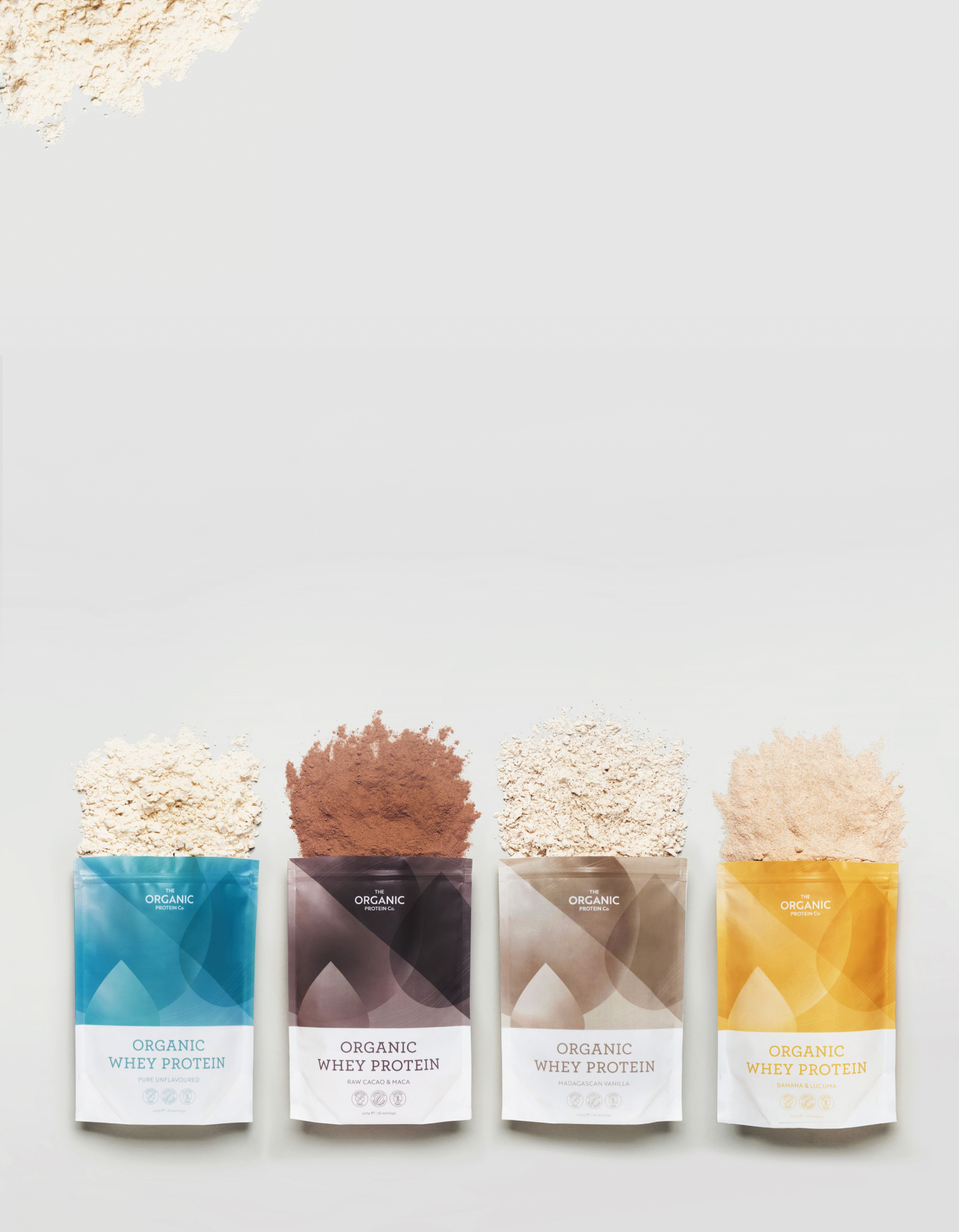
To easily add high-quality protein to your diet, find out more about our cold-filtered organic whey protein.