





Protein is fundamental to everyday health, supporting muscles, hormones, enzymes, immune function, and metabolic stability. Despite this, some adults can fall short of optimal protein intake, often without realising it.
Part of the problem lies in dietary guidelines that have not been updated, as well as recommendations that are hard to understand. Furthermore, cultural messaging can seem to frame protein as optional rather than essential.
Understanding how much protein adults need, and why these requirements can vary, can help dispel any myths and empower individuals to make choices that support their long-term health.
Why Protein Requirements Are Commonly Misunderstood
It’s easy to underestimate protein requirements, not because of a lack of care about nutrition, but because the information available may not be up to date, may rely on population averages, or is poorly explained.

Confusion around the RDA and “minimum” requirements
The USA uses the Recommended Dietary Allowance (RDA) to advise individuals how much protein they need to consume to prevent loss of nitrogen from the body. The RDA for protein is 0.8g per kilogram of body weight.
In the UK, The Reference Nutrient Intake (RNI) is used instead. It recommends that individuals need around 0.75g of protein per kilogram of body weight. This means that for the average man weighing around 75kg, 56g of protein is recommended. For the average woman weighing 60kg, it’s 45g. However, these average weights have not been updated since 1991. Due to changes in population health and lifestyle, these figures may need to be reconsidered.
It is important to note that these guidelines do not reflect the ideal intake for many people within a population. Ageing adults, for example, are advised to eat around 1.2g of protein per kilogram of body weight.
Cultural myths around protein being “for athletes only”
Protein has long been associated with bodybuilding, gym culture, and performance nutrition. This perception has persisted despite research showing that protein needs can increase with age, illness, stress, and daily activity.
As a result, adults who do not identify as “sporty” may consciously or unconsciously deprioritise protein, viewing it as unnecessary or excessive. This misconception could lead to a diet that is adequate in calories but insufficient in quality sources of protein.
How Much Protein Adults Actually Need
While minimum recommendations exist, optimal protein intake depends on individual factors such as age, activity level, and metabolic health.

Evidence-based daily ranges for average adults
Another nutritional recommendation system in the US, the Acceptable Macronutrient Distribution Range (AMDR) recommends that adults should eat more protein than the RDA recommendation.
As we get older, 1.0-1.3g of protein per kilogram of body weight may be more appropriate. For older adults who have an acute or chronic disease, the recommendation is even higher, at around 1.2-1.5g per kilogram of body weight.
As we get older, sarcopenia (the loss of skeletal muscle mass associated with ageing) can occur. Protein supports skeletal muscle health, and research has shown that consuming higher levels of protein can help to optimise physical function in older adults.
As we get older, our body may not use protein as efficiently. A higher protein intake has been demonstrated to help the body maintain overall strength and recover from illness, helping this age group remain physically independent.
Why optimal intake differs from minimum intake
Rather than thinking about how much protein you need to prevent deficiency, it can be helpful to think about achieving an optimal intake that supports a range of natural biological processes, including:
- Muscle protein synthesis and repair
- Hormone and enzyme production
- Immune system support
-
Blood sugar stability and satiety
If protein intake is below the minimum level at certain times, including in older age, during periods of reduced activity, or throughout an illness, the body will need to prioritise essential processes. Over time, this could contribute to gradual muscle loss, even in adults who appear outwardly healthy.
Factors That Increase Protein Needs
Protein requirements are not static. Several common life factors significantly increase daily needs.
Ageing and reduced muscle responsiveness
As we get older, our muscles become less responsive to dietary protein. This is known as anabolic resistance. This means that the same protein intake that once stimulated muscle growth or maintenance becomes less effective over time.
Sarcopenia is associated with chronic diseases such as cardiovascular disease, diabetes, and hypertension (high blood pressure). Overall, it can contribute to an increase in mortality.
Supplementing nutrition with whey protein has been shown to improve outcomes relating to sarcopenia. Whey is also rich in leucine, a branched-chain amino acid (BCAA) which has also shown positive effects in sarcopenia.
High-activity lifestyles and recovery
Prolonged physical activity such as endurance exercise increases protein turnover. Muscles experience greater breakdown and repair, increasing amino acid demand.
Protein intake before, during and after exercise could support recovery, reduce fatigue, and support optimal physical performance. Research varies, but a daily protein intake of up to 2g per kilogram of body weight might be recommended.

Stress, illness, and metabolic demand
Periods of illness, injury, stress, or metabolic strain increase the body’s protein requirements, particularly in ageing adults. Protein is required for immune cell production and tissue repair, two processes that are often crucial during illness.
During these times, protein needs rise, but appetite may fall. Consciously supporting protein intake with high-quality protein can support recovery.
What Limits Adult Protein Intake?
Even when protein is available, eating habits may mean that we don’t eat the amount we need.
Low-protein breakfasts and inconsistent intake
Many of us consume most of our protein in a single evening meal, while breakfasts and lunches might be dominated by refined carbohydrates. Toast, cereal, pastries, and fruit-based breakfasts may be energy-dense but protein-poor.
This uneven distribution matters. Muscle protein synthesis is stimulated most effectively when moderate amounts of protein are consumed at multiple meals, rather than concentrated in one meal.
Underestimation due to outdated health messaging
Public health messaging has historically focused on reducing fat, sugar and calories, with less emphasis on protein quality or distribution. Protein may therefore be seen as optional, rather than foundational.
As a result, it’s easy for adults to underestimate the amount of protein they need, particularly if they associate higher protein intake with extreme dieting or athletic performance.
Simple Ways to Increase Protein Intake
Improving protein intake does not require drastic dietary changes. Small adjustments can make a meaningful difference.
Start with higher-protein breakfasts
Including protein at breakfast helps stabilise blood glucose, improve satiety, and support energy levels. Options such as yoghurt, eggs, or protein-enriched oat products can significantly increase daily intake without increasing meal volume.
Spread protein evenly across meals
Rather than focusing on a single high-protein meal, aim to include 20–25g of protein per meal. This pattern supports repeated stimulation of muscle protein synthesis and reduces reliance on the evening meal alone.
Even distribution is particularly important for those looking to preserve muscle mass over time.

Final Thoughts
Protein needs may be underestimated when cultural messages are outdated and modern daily eating patterns prioritise convenience over balance. Furthermore, recommendations can be misunderstood. While minimum guidelines prevent deficiency, they may not reflect the needs of the elderly, very active adults, or the body’s requirements during acute illness or when a chronic disease is present.
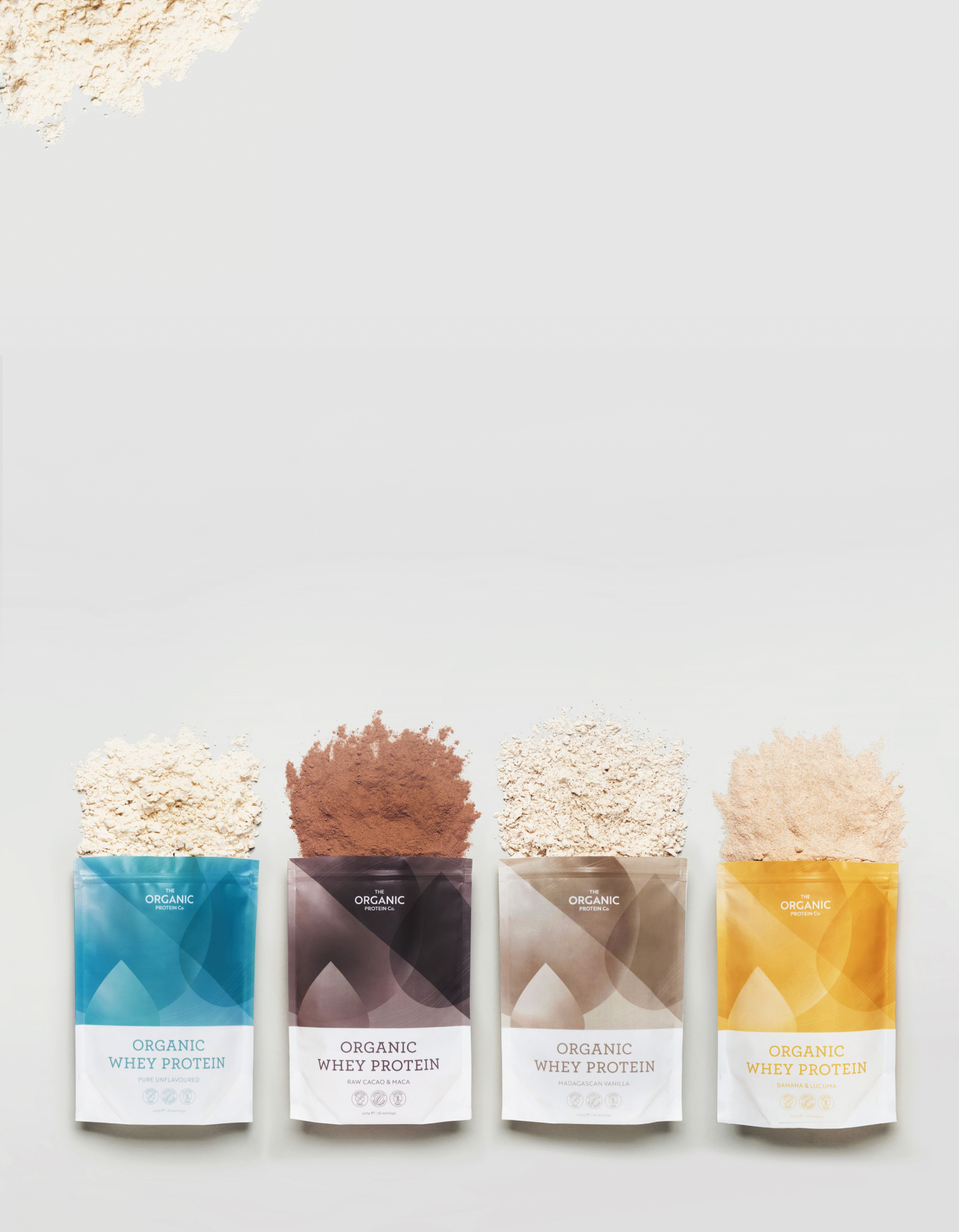
For many people, high-quality whey protein can be a simple, effective way to increase daily protein intake, helping to deliver a delicious, complete protein source that’s easily absorbed by the body. Visit our online shop to see our range of organic whey protein powders.