



Protein has long been framed as the fuel of gym-goers, bodybuilders and athletes. But this protein myth misses an important truth: protein is an essential nutrient for everyday health. It affects nearly every system in the body regardless of whether you ever set foot in a gym or not.
Why Many People Believe Protein Is Only for Athletes
The misconception that protein is only for sportspeople didn’t appear by accident. Cultural messaging, marketing, and limited education around diet and nutrition have all played a role.
How gym culture shaped public perception
For decades, protein has been visually and culturally tied to gym culture. Advertisements might show athletes holding shaker bottles, supplement tubs beside dumbbells, and messaging focused on muscle size and performance.
As a result, protein became branded as functional fuel for training, rather than as a basic nutritional requirement and part of a healthy lifestyle.
This association has been reinforced by bodybuilding media and sports nutrition marketing, which focus on muscle health. Advertising may therefore rarely touch on the impact that protein can have on everyday health, immune system and hormone function, or metabolic wellbeing.
Lack of awareness about protein’s full biological role
Many people also feel that they haven’t properly understood or been taught what protein does in the body.
Unlike vitamins or minerals, which are often understood to have multiple roles in health, protein’s role is often reduced to building muscle. This overlooks the fact that every cell in the body contains protein.
Without this broader understanding, it’s easy to assume that protein only matters if you’re actively trying to build muscle.
The Essential Roles of Protein in Everyday Health
Protein’s importance goes far beyond strength training. At a biological level, it is essential for survival and long-term health.

Immune function, hormones, and enzymes
Proteins form the structure of antibodies that help fight infection, the enzymes that drive digestion and metabolism, and many hormones that regulate growth, appetite, and stress responses.
Adequate protein intake is essential for maintaining immune competence, particularly during illness and as we get older.
During periods of physical or psychological stress, the body’s demand for protein, and the amino acids protein is made up of, may increase to ensure optimal brain function and cognitive performance.
Tissue repair and metabolic function
Normal, healthy processes within the body result in protein being broken down and rebuilt. This turnover doesn’t just repair muscle fibres that may have been damaged during exercise. It also supports the repair of skin, organs, blood vessels, and connective tissue.
Protein also plays a role in satiety (the feeling of fullness). Alongside a balanced, healthy diet, a slightly elevated protein intake may help with weight maintenance or weight loss. In simple terms, eating an adequate amount of protein may help to keep the metabolism functioning efficiently, independent of changes in physical activity.
Why Adults May Need More Protein Than They Think
Dietary guidelines and national statistics show that most adults in the UK eat enough protein. However, it is important to consume protein from a range of different food sources including lean meat, dairy, fish, beans, pulses and eggs.
The difference between “minimum” and “optimal” intake
The Reference Nutrient Intake (RNI) is based on how much protein you need for your body weight. In the UK, the recommendation is for around 0.75g of protein per kilogram of body weight. Based on average body weights of 75kg for men and 60kg for women, men need around 56g of protein per day, while women need around 45g. It’s important to note that as these average weights were recorded in 1991, the figures may now be higher.
However, there are times when protein requirements are greater still, such as during pregnancy, when breastfeeding, as we get older, and for athletes training at a high level.
In the US, the Recommended Dietary Allowance (RDA) estimates the minimum amount of protein that must be consumed to avoid loss of nitrogen from the body. It makes a similar recommendation to the RNI in the UK.
However, another US system of nutritional recommendation, the Acceptable Macronutrient Distribution Range (AMDR), provides guidance in the context of a complete diet. The AMDR recommends more protein than the RDA. The RDA might therefore represent a minimum protein recommendation, rather than the optimum intake.
Ageing and increased protein needs
For older adults, the RNI of 0.75g of protein per kilogram of body weight might be inadequate. Some research suggests that it should be recommended that older adults consume 1.2g protein per kilogram of body weight to support skeletal muscle health.
Sarcopenia, the gradual muscle loss associated with aging, can increase the risk of falls, frailty, and loss of independence. It is also associated with chronic diseases including cardiovascular disease, hypertension, and diabetes. Older adults may benefit from whey protein as it is rich in leucine and has been shown to be effective in counteracting sarcopenia.
Studies have also shown that as we age, our bodies become less efficient at using protein. This means older adults often need more protein to maintain strength, recover from illness, and stay physically independent.

Protein Benefits for Non-Athletes
Protein’s benefits extend into areas that matter to everyone: appetite and satiety, energy, muscle health, and immune function.
Appetite regulation and stable blood sugar
Protein is the most satiating macronutrient, meaning that it helps you feel fuller for longer. Meals containing sufficient protein can help to reduce blood sugar spikes, and promote steadier energy levels throughout the day.
This can translate into fewer energy crashes, reduced cravings, and better appetite regulation, without any focus on weight loss or performance goals.
Cognitive clarity and stress resilience
Amino acids from dietary protein are precursors to neurotransmitters such as serotonin, dopamine, and GABA. These chemical messengers are involved in our mood, focus, motivation, and stress response.
A small study demonstrated that for some people, eating a breakfast rich in protein can influence hormones that are associated with hunger and fullness, helping to curb mid-morning cravings.
How Protein Supports Resilience, Immunity, and Healthy Ageing
Most adults in the UK consume enough protein, but the British Nutrition Foundation notes that protein quality can vary depending on the number of essential amino acids present within the protein. Essential amino acids are those that the body cannot make, so they must be provided in the diet.
Most of our body protein is found in our muscles, skin and blood, but with protein needed for every cell, consuming high-quality protein can support our overall health and wellbeing.
Immune system support
Protein provides the amino acids needed to produce antibodies, immune cells, and signalling molecules that help the body respond to infection and inflammation. Certain proteins, including bioactive fractions like immunoglobulins, lactoferrin and alpha-lactalbumin (all found in our cold-filtered whey) can support a healthy immune system.
Bone and muscle health beyond exercise
Muscle and bone health are not just required for sporting performance.
They underpin balance, mobility, and independence throughout every decade. Adequate protein intake helps preserve lean tissue during ageing, periods of reduced activity, or illness, supporting global body function.
Protein also plays a structural role in the skeleton, working alongside minerals like calcium and phosphorus to support overall bone health.
Final Thoughts
Protein is an essential nutrient, and it is not reserved for athletes. It is a biological necessity for muscle and bone health, immune function, hormone balance, metabolic health, cognitive function, and healthy ageing.
The myth that protein is “only for gym-goers” has dissuaded some adults from learning about dietary protein and protein supplementation. Reframing protein as a part of everyday nutrition can help you take a step towards better overall wellbeing, whether you use the gym or not.
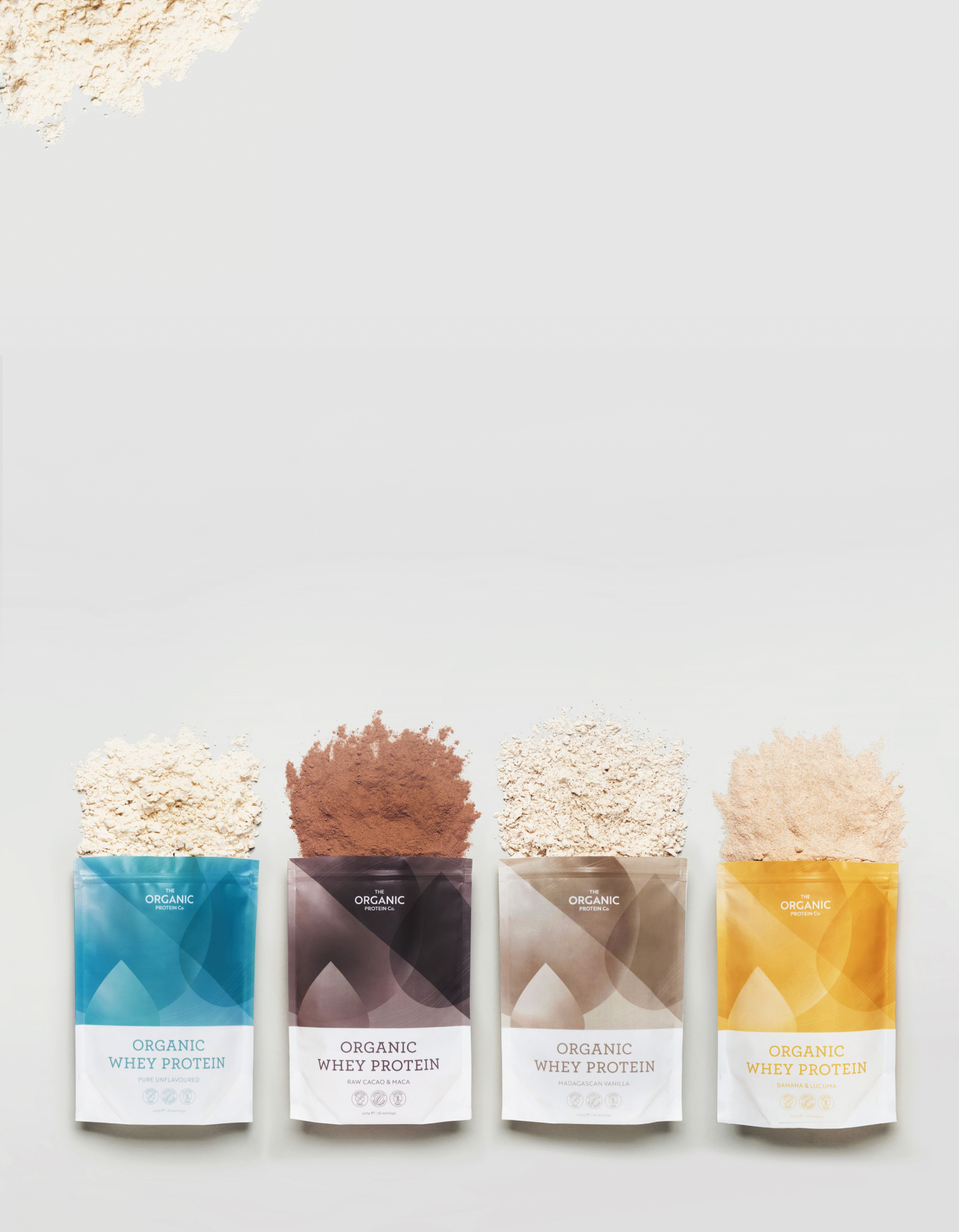
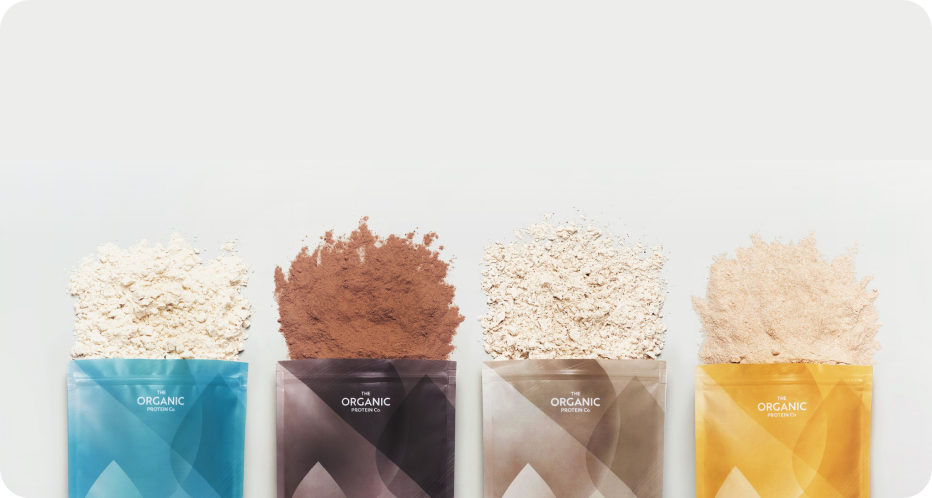
Our range of organic whey protein powders are a high-quality source of protein made with real ingredients: no additives, no flavourings and no UPFs. Find out more about our range today.