




You switched to a simple protein powder without gums or artificial sweeteners to get as close to UPF-free as possible, and expected your bloating to disappear. If bloating persists, you might wonder whether the issue is the protein powder itself or something else entirely. Understanding the possibilities helps you identify the real cause.
Lactose Content and Whey Type
Whey protein concentrate contains more lactose than whey protein isolate. If you have mild lactose sensitivity, switching from a heavily processed powder to a simpler concentrate might reveal a pre-existing lactose intolerance. This is not a sign that simple whey is worse. It just means you might want to try an isolate instead.
The amount of whey you consume also matters. A small serving might seem fine, whereas a larger one might cause symptoms. Test by reducing your serving size for a few days, noting whether bloating decreases.
Another option is to try a plant-based powder. However, it’s worth noting that they are not always easier on digestion. Some people experience bloating with vegan blends, which may be due to their fibre and fermentable carbohydrate content.

Volume and Mixing Technique
Everyone has a personal preference when it comes to the texture and thickness of a shake. Try adding extra water or milk to see if drinking a thinner shake feels more comfortable or easier to digest.
Consuming your protein drink quickly might also contribute to bloating. Sipping slowly over several minutes means you may swallow less air, as well as giving your digestive system time to work.

Your Gut Microbiome and Adaptation
Your gut bacteria are accustomed to digesting certain types of food. Introducing a new protein source, even a simple one, requires your digestive system to adapt. This adjustment period typically occurs within a few days to weeks.
During this transition, you might experience bloating even though the powder itself is not problematic. Continuing regular consumption allows your gut microbiome to adapt. However, if bloating persists beyond a few weeks of regular consumption, the powder may not be right for you.
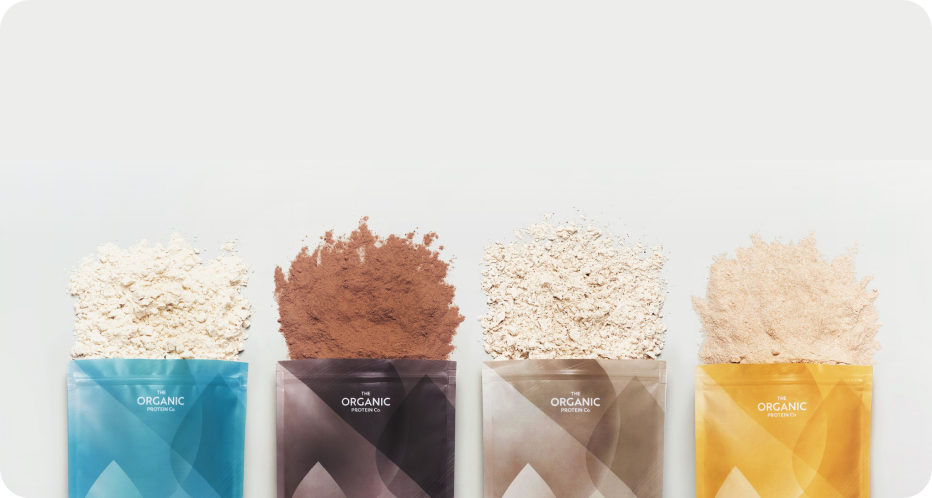
If you would like to see if a minimal-ingredient whey protein might suit you, you can explore our range here.

Finding the Right Protein for You
Persistent bloating can be frustrating, especially when you feel like you’ve already made positive changes. In many cases, symptoms can relate to ingredients, individual digestion, portion size, and routine.
Although all whey protein powders are classified as ultra-processed due to the way they are made, at The Organic Protein Co. we remain focused on using organic whey, real ingredients, and no artificial additives. For many people, this creates a simpler starting point when trying to identify what works best for their digestion.
Find out more: our full guide breaks down ultra-processing and protein in a clear, practical way: Is Whey Protein a UPF? What “UPF-Free” Really Means

