




Protein powders that contain additives are more processed than those that contain a small number of real ingredients. While no whey protein can be classified as UPF-free, you may have chosen to switch to a minimally formulated protein to move away from additives associated with UPF concerns.
However, after making the switch to a minimal-ingredient protein powder, you might notice your intake targets are slipping. Maybe you are consuming less powder because it’s taking time to get used to a new taste, or maybe the logistics of your routine have shifted. Whatever the reason, falling short on protein is frustrating. Getting back on track requires an honest assessment of what’s changed, alongside some practical adjustments.
Identify Why Your Intake Dropped
The first step is understanding where the gap comes from. Are you consuming smaller servings of your new powder because it tastes less appealing? Are you forgetting to have your usual shakes because they do not fit as naturally into your routine? Are you less motivated because the product feels boring?
Pinpointing the reason helps you choose the right solution. If taste is the issue, the answer differs from a logistics problem.
Reframe Your Protein Approach
Rather than trying to hit targets through protein powder alone, think of powder as one component of your total protein intake. If powder alone feels unsustainable, lean more heavily on whole-food protein and use powder to fill gaps. This often feels less forced and more sustainable.
Calculate your daily protein needs. Then look at the whole-food protein you typically consume through meat, fish, eggs, dairy, and legumes. Rather than trying to get a significant amount of your protein from powder, you can simply use powder to make up the remaining gap.

Practical Strategies to Boost Intake
If you genuinely want to maintain higher protein powder consumption, build it into habits that already exist. Use Real Coffee instead of your regular morning brew, mix Madagascan Vanilla into your breakfast yoghurt, or bake with Cacao & Maca. These small additions make a meaningful difference to the amount of protein in your diet without feeling like extra work.
Spend time customising your shakes through smoothie ingredients rather than giving up on protein powder. Frozen fruit, cocoa powder, vanilla extract, nut butters, and honey are all great ways to adjust the taste of shakes and bakes without adding unwanted artificial additives.
If you’re looking for a high-quality protein that fits into your routine, check out our range of whey proteins here.

Staying Consistent Without Overcomplicating Things
Falling short on protein can feel discouraging. However, it doesn’t mean that swapping to a minimal-ingredient protein was wrong; instead, it may just be a sign that your routine needs adjusting. Small, practical changes to how and when you use protein powder can make a difference over time.
Choosing a protein powder with fewer ingredients can help you move away from the additives commonly associated with UPF concerns, while still supporting your nutritional goals.
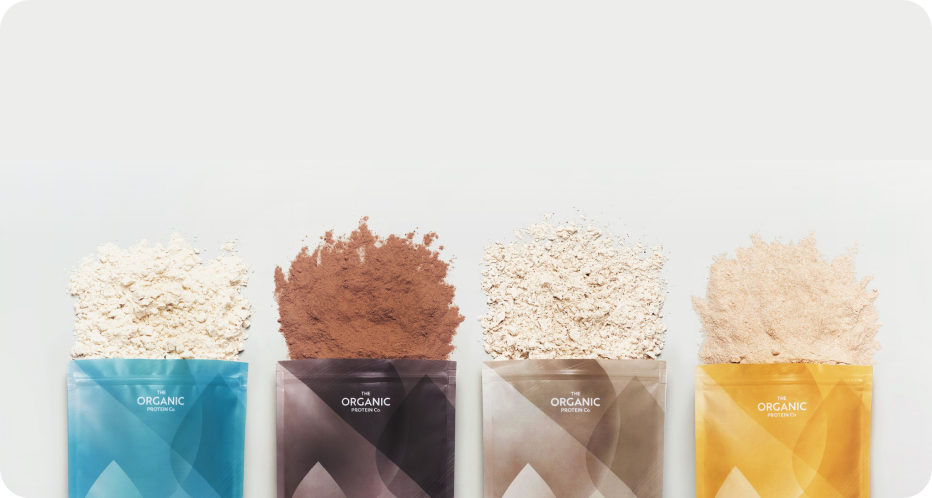
At The Organic Protein Co., we prioritise ingredient quality and versatility with whey designed to fit into a wide range of meals and routines. Our Pure Unflavoured is made with just one ingredient (organic whey protein), while our blends contain just a few real ingredients. Our organic whey protein is cold filtered without chemicals, and we never add artificial additives.

For a deeper look at why whey protein powders are grouped with ultra-processed foods under the NOVA classification, see our full guide here: Is Whey Protein a UPF? What “UPF-Free” Really Means

