



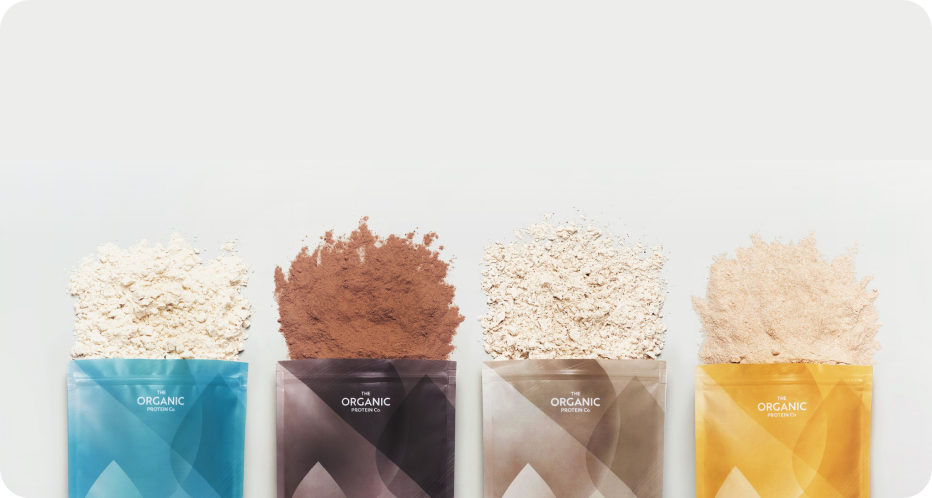


If you have a sensitive stomach, adding protein powder to your routine can feel risky. You may have tried options before only to experience bloating, cramping, or discomfort. The good news is that, for most people, neither whey nor plant-based proteins are inherently hard to digest. Instead, sensitivity might be related to the specific product, whether it contains additives associated with UPF concerns, your individual digestion, and how you use the protein.
Why Whey Can Be Gentler for Some People
Whey protein concentrate contains less lactose than whole milk, making it a viable choice for people with mild lactose sensitivity. For people without lactose issues, whey is typically very digestible because your body already makes the enzymes needed to break it down.
The real problem with many commercial whey powders is not the whey itself, but the additives. Gums, emulsifiers, and artificial sweeteners can trigger bloating and digestive discomfort in people who are sensitive to additives. While no whey protein can be categorised as UPF-free, a simple, minimally formulated whey protein with few ingredients may feel much gentler on your stomach than a heavily processed alternative.

Why Plant-Based Can Be Harder to Digest
Some plant proteins contain compounds called anti-nutrients that can interfere with digestion and nutrient absorption. For example, like almost all plants, peas contain lectin which is hard to digest. However, lectin levels are often lower in pea protein as a result of processing methods. Brown rice protein is generally gentle on digestion, but hemp protein can cause loose stools in some people.
Many plant-based protein powders also use gums like guar gum or xanthan gum to improve texture. These additives, while considered safe, are associated with UPF concerns and can trigger bloating and digestive discomfort for people with digestive sensitivity.

Testing and Adjusting Your Approach
A common way to find out what works for your stomach is to test and observe. Start with a small serving of a protein of your choice, mixed with just water. Notice how you feel for a few hours after consumption. Gradually increase the amount over a few days if it goes well.
Keep a simple food journal noting which products and quantities work for you. Many people with sensitive stomachs find that they tolerate one type of protein better than another, and starting with smaller servings helps identify your personal threshold.
At The Organic Protein Co., our minimal-ingredient whey is certified organic and free from the additives most associated with UPF concerns, including gums, emulsifiers, and artificial sweeteners. While whey protein concentrate is technically classified as ultra-processed, we believe there is an important distinction between minimally formulated protein powders and those loaded with synthetic additives.
To learn more about how we approach ultra-processing and what it means for your protein choices, read our full guide.

