



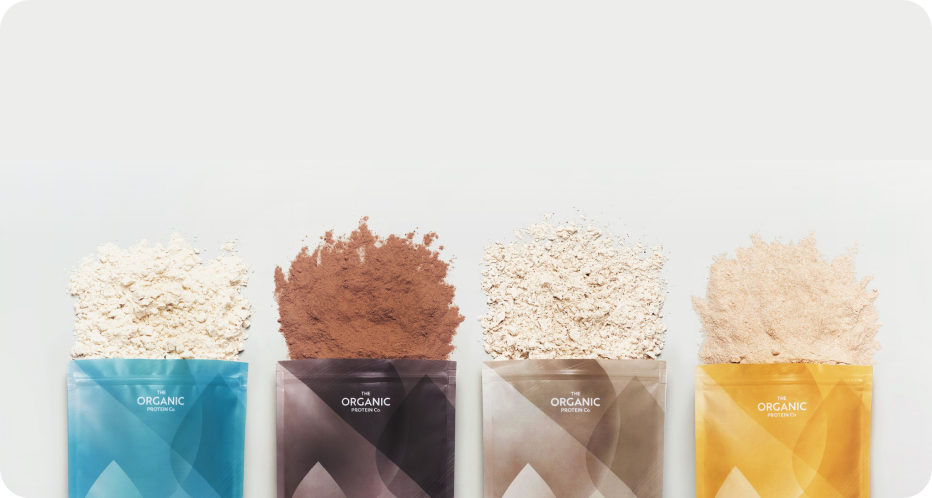


Whether you are just starting out or thinking about optimising your protein choices, the decision between whey and plant-based options can feel overwhelming. Both have genuine benefits, but they work differently in your body and come with different ingredient profiles. Understanding the differences, and whether either can be UPF-free, will help you make a choice that aligns with your values and your goals.
Whey Protein: Absorption and Amino Acid Profile
Whey is a complete protein, meaning it contains all nine essential amino acids your body cannot produce on its own. It contains biologically active components that enhance functions within the body and provide additional benefits. This makes it particularly effective for supporting muscle maintenance and overall wellbeing. Whey is absorbed relatively quickly, delivering amino acids to your muscles within a couple of hours of consumption.
The main consideration with whey is sourcing. Look for whey from pasture-raised dairy cows, as this typically reflects higher animal welfare standards and could affect amino acid balance and other nutritional properties. Certified organic whey also means the cows have not been routinely treated with antibiotics or hormones, which aligns with a whole-food approach.

Plant-Based Proteins: Variety and Digestibility
Plant-based proteins like pea, hemp, and brown rice offer a complete amino acid profile when combined, though individual plant sources often lack one or more essential amino acids. Some people find plant-based options easier to digest, particularly if they have lactose sensitivity. And of course, some people simply prefer to avoid animal products.
The trade-off is that plant proteins often require more ingredients to achieve a complete amino acid profile and pleasant taste. This is where the ultra-processing conversation becomes important. Some plant protein powders contain additives associated with UPF concerns, such as gums, emulsifiers, and sweeteners to improve texture and flavour.

Ingredient Simplicity Matters Most
Regardless of whether you choose whey or plant-based, the ingredient list is what ultimately determines whether you are making a choice aligned with real-food principles. A simple whey with one ingredient serves a different purpose than a plant protein with twelve. Both can be appropriate depending on your personal priorities.
Consider your own digestion, taste preferences, and what aligns with your values. Neither choice is inherently ‘wrong’, so you can focus on finding a protein that you will consistently use, that suits your digestion, and that comes from a company transparent about its sourcing.
If you’re looking for a simple, high-quality protein, explore our range here.

Choosing a Protein That Works For You
Whichever route you choose, whey or plant-based, it is worth looking beyond the headline claims and focusing on the ingredients list and how the protein is made. While most protein powders fall into the NOVA Group 4 ultra-processed category as a result of the way they are made, there can be significant differences between them.
At The Organic Protein Co., our whey is certified organic and free from the additives most commonly associated with UPF concerns, such as gums, emulsifiers, and artificial sweeteners. The result is a minimally formulated protein that is a practical choice for everyday use.
You can find a more detailed breakdown of ultra-processing and protein powders in our full guide.


