





Stomach pain or discomfort after consuming a protein shake should not be dismissed. Your body is sending a signal that something is not working for you. While no whey protein can be classed as UPF-free, some artificial additives or ingredients can lead to discomfort in certain individuals. Identifying the source helps you troubleshoot without abandoning protein supplementation entirely.
Rule Out the Most Common Culprits
Start with lactose if you are using whey protein. Lactose sensitivity often develops gradually and can create stomach pain without other obvious digestive symptoms. If you have been taking whey protein concentrate, try whey isolate instead. Isolate has minimal lactose, so this test may help you determine whether this is your issue.
If the pain includes nausea or happens within minutes of consumption, speed of consumption might be the problem. Drinking your shake too quickly or on an empty stomach can lead to digestive symptoms. Slowing down and pairing your shake with solid food often resolves this straight away.

Examine Additives Beyond Gums and Sweeteners
You may have chosen a protein with no gums or artificial sweeteners, but other additives exist. Soy lecithin, carrageenan, cellulose, or natural flavourings can cause discomfort in those who are sensitive to them. These substances are considered safe by regulatory bodies but may not suit your digestive system.
Check your ingredients label for additives. If pain or discomfort occurs within 30 minutes of consumption, there may be an ingredient within the protein powder that is triggering it. Switching to a minimal-ingredient whey protein might be helpful, especially if you already have reservations about the link between additives and UPF concerns.

Consider Protein Source Sensitivity
Some people experience pain from specific protein sources even when the ingredients list is minimal. Testing different protein sources, such as whey or plant-based proteins, one at a time helps identify which works for your body. Keep a simple log noting which protein, how much, what time, and whether discomfort occurred.
If you want to try a minimal-ingredient protein as part of that process, you’ll find our range of organic whey protein here.

When to Seek Professional Guidance
If stomach pain persists across multiple protein sources, quantities, and preparation methods, consider consulting a healthcare provider.
A healthcare professional can rule out underlying issues or digestive conditions, and provide personalised recommendations.
Choosing a Minimal-Ingredient Protein
Many types of protein powder are classified as ultra-processed due to the industrial techniques required to produce them. However, the level of processing and the ingredients play an important role, and we believe there is an important distinction between minimally formulated protein powders and those loaded with synthetic additives.
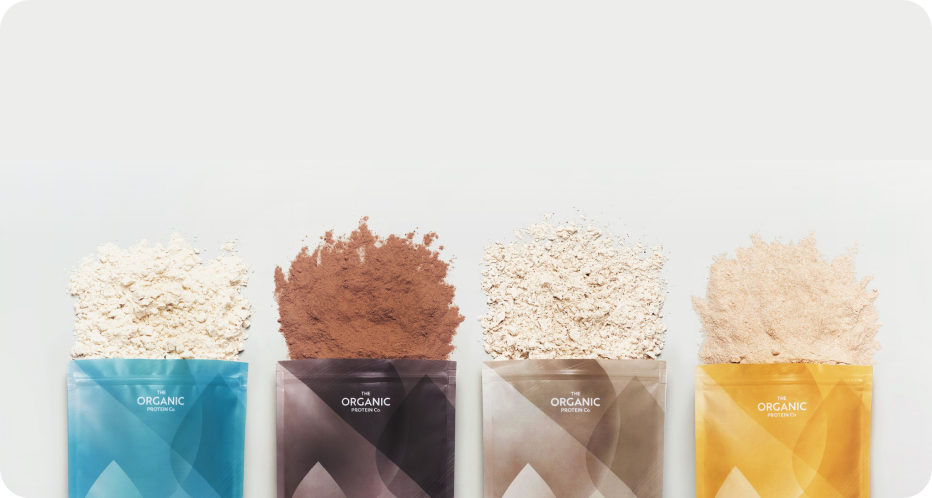
At The Organic Protein Co., our minimal-ingredient whey is certified organic, made without chemicals, and free from the additives most associated with UPF concerns, including gums, emulsifiers, and artificial sweeteners. Products made without fillers may reduce the likelihood of certain digestive triggers, and for some people this may provide a baseline when trying to identify what works best for their digestion.
To learn more about how we approach ultra-processing and what it means for your protein choices, read our full guide.

