





If you are trying to reduce ultra-processed foods in your diet, protein powder can feel like a contradiction. But it doesn’t have to be.
The Food Standards Agency (FSA) explains that the NOVA classification helps to define ultra-processed foods. Foods are categorised based on their ingredients and the way they are created. As whey protein is made using techniques that couldn’t be performed in a home kitchen, it cannot be categorised as UPF-free. However, the FSA confirms that some processed foods have a lot of nutritional value. Minimally-formulated protein powders, for example, can be beneficial when used as part of a balanced diet.
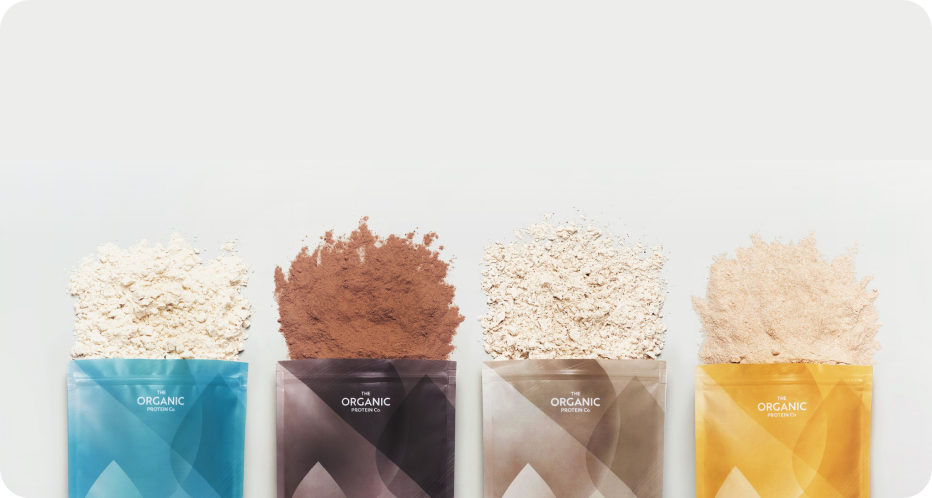
High-quality whey protein, like our range at The Organic Protein Co., can contain just a handful of real ingredients. This makes it compatible with a whole-food approach, and knowing what to look for will help you find products that genuinely align with your values.
Count the Ingredients, Not Just the Label Claims
If the ingredients list is long, a protein powder’s claims to be ‘natural’ may not mean very much. Start by counting: how many ingredients are there? A single-ingredient protein like our Pure Unflavoured Organic Whey Protein contains just one ingredient. A minimally formulated version, like our other whey blends, might have two to four. Beyond that, you need to know what the additional ingredients are and why they are there.
Watch out for long ingredients lists with items you cannot pronounce. Names like methylcellulose, cellulose gum, or silicon dioxide indicate processing and additives that move further away from whole-food principles and towards a more processed product.

Understand the Role of Each Ingredient
Mainstream protein powders typically contain one or more of the following types of ingredients: the protein itself, sweeteners, thickeners or gums, and flavourings. These additives are linked to UPF concerns. A truly minimal-ingredient powder uses only the protein and perhaps a simple sweetener like coconut sugar, or nothing at all. Everything else is optional.
Gums like guar gum or xanthan gum are added to improve texture and mixability. Some people tolerate these without issue. Others find they cause bloating or digestive discomfort. If you have a sensitive stomach, it can be helpful to try a product without added gums.
If you’re looking for a minimal-ingredient protein option that’s easy to digest, you can explore our range here.

Sourcing Matters as Much as Processing
Even a simple ingredients list tells you nothing about sourcing quality. Whey from conventionally raised dairy cows treated with antibiotics and hormones is technically simpler than a plant protein with multiple sources, but it may not align with your values. Look for organic certifications or other standards that provide assurance about farming practices.

A Simpler Approach to Protein
While most protein powders are classed as ultra-processed NOVA Group 4 due to processing, there is a meaningful difference between highly formulated products and those with a short, simple ingredient list. Reducing exposure to gums, emulsifiers, and artificial sweeteners can make a noticeable difference for some people.
At The Organic Protein Co., we focus on using just a few high-quality ingredients. Our whey is cold filtered, certified organic and made without artificial additives; ideal for those who prefer to keep things simple.
If you’d like to learn more about how ultra-processing applies to protein powders, you can read our full guide here.

