




If you’ve been diagnosed with metabolic syndrome, you’ve probably been advised to look closely at your overall diet. Alongside eating more whole foods and reducing foods high in saturated fat, salt and added sugar, you may also be looking more carefully at the ingredients lists of the products you buy.
For some people with metabolic syndrome, protein powder can be a convenient way to increase protein intake. If you choose to use one, it’s worth comparing products to see how they’re formulated.

Why Additives Might Matter When Managing Metabolic Syndrome
Metabolic syndrome is a cluster of conditions including raised blood pressure, raised blood sugar, increased waist circumference and abnormal cholesterol levels. It increases the risk of heart and blood vessel (cardiovascular) disease and type 2 diabetes.
Managing metabolic syndrome involves making lifestyle changes. Losing weight, exercising more, eating a balanced diet, and quitting smoking are all advised.
Dietary recommendations include eating less saturated fat and meat, fewer processed foods, and eating more fruit, vegetables and whole grains. As part of a broader approach, some people also choose to avoid food items with long ingredients lists or multiple additives.
Protein powders vary considerably. Some contain just one or two ingredients, while others include emulsifiers, gums, flavourings, sweeteners and other ingredients to modify taste, texture or shelf life.
If keeping your diet as simple as possible is important to you, reading the ingredients list can help you compare products.

The Blood Sugar Consideration
If you’re monitoring your blood sugar or following dietary advice to reduce your intake of added sugars, it’s worth looking beyond protein content alone.
Some protein powders contain added sugars or carbohydrate-based ingredients, while others contain artificial or non-nutritive sweeteners. The right protein powder for you will depend on your individual preferences, dietary advice and health goals.

Supporting Gut Health
Some people find that protein powders with shorter ingredients lists suit them better. If you experience bloating or digestive discomfort after using protein powder, it may be worth comparing different formulations to see which works best for you. If you’re comparing protein powders as part of a broader focus on healthier eating, looking at the ingredients list, not just the protein content, is a sensible place to start.
Research into the effects of some food additives on gut health is ongoing. Maintaining a varied, fibre-rich diet remains one of the most widely supported ways to promote gut health.
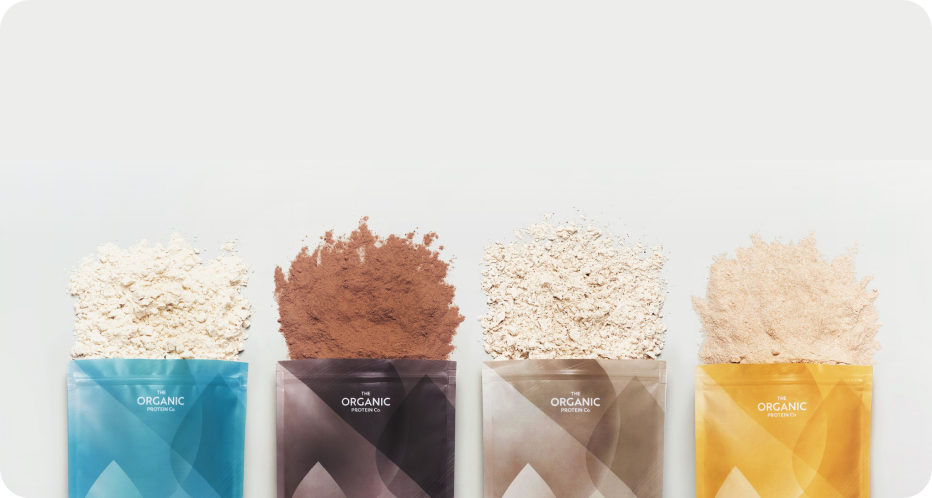
At The Organic Protein Co., we keep our formulations as simple as possible. Our Pure Unflavoured Organic Whey Protein contains just one ingredient: certified organic whey protein. Our blends contain the same whey protein and just a handful of whole food ingredients. None of our products contain artificial additives.
Like all whey proteins, our products are technically classified as NOVA Group 4 because of the way whey protein is produced. We can’t claim that they’re “UPF-free”, but they do not contain any of the additives most associated with UPF concerns.
Read our full guide to whey protein and UPFs here.