


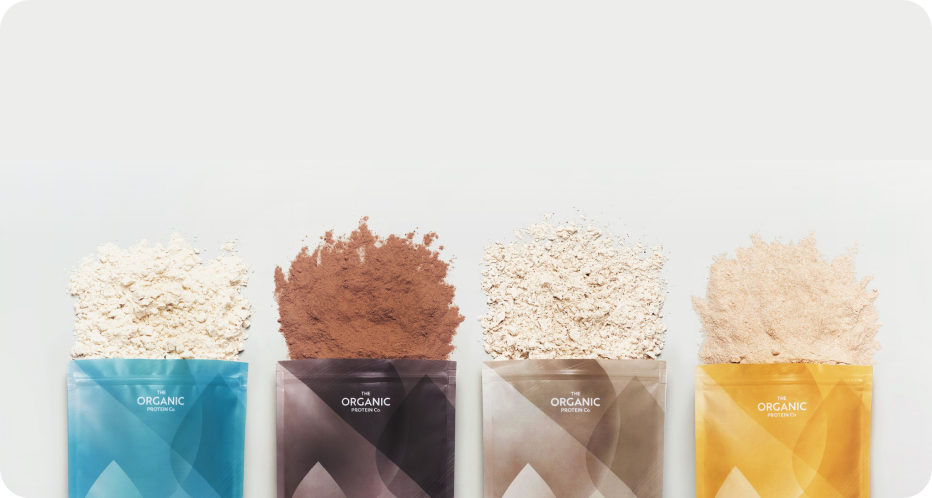


Many protein powders contain far more than just protein. Alongside whey, you’ll often find emulsifiers, stabilisers, flavourings, sweeteners and thickeners added to improve taste, texture and shelf life.
This naturally raises the question: if a minimal-ingredient whey costs more, is it worth paying the difference?

The Hidden Cost of Additives
Not all protein powders are made in the same way.
Some products have a relatively short ingredients list, while others combine whey with multiple additives such as gums, maltodextrin, and fillers. These may be added for easier mixing, or to create a sweeter flavour or thicker texture.
Whether those extra ingredients matter to you depends on your personal preferences. If you’re looking for a source of protein for occasional use or within a tight budget, additives may be less of a concern. But if you prefer your protein to be made with high-quality whey, a few whole food ingredients, and zero additives, then a more simply formulated protein powder might be a better fit.

What Your Body Processes
While each additive is deemed safe in isolation, the cumulative effect of consuming multiple synthetic ingredients daily is less well understood. Some people report bloating, digestive discomfort, or disrupted energy balance after consuming heavily formulated products and those containing additives.
A single-ingredient whey contains just the protein concentrate itself, meaning you are consuming one ingredient rather than a cocktail of additives. The price difference exists because minimal-ingredient powders require more careful sourcing of both whey and whole food ingredients to ensure a good taste and ease of mixing, without relying on artificial additives.
Explore our range of additive-free organic whey protein here.

The Long-Term Investment Angle
A minimal-ingredient whey might cost more per serving. But for some people, a cheaper powder might be associated with:
bloating or digestive upset
energy dips
the need for digestive aids to manage side effects
less protein per serving, therefore requiring more consumption
Over time, the apparent savings of a cheaper powder made with additives may disappear when you factor in these hidden costs. If you're trying to reduce the number of additives in your diet, choosing a simpler protein powder can be a practical place to start.
At The Organic Protein Co., our powders contain certified organic whey protein and a small handful of real ingredients. All whey protein concentrates are technically classified as NOVA Group 4 because of the methods used to produce the powder. This means no whey protein can be UPF-free. However, our minimal-ingredient organic protein powders are free from the additives most associated with UPF concerns. To find out how we approach ultra-processing and what it means for your protein choices, read our full guide.

