




The NOVA food classification system rates all foods on a scale of 1 to 4 based on processing level. Because of the methods involved in producing whey protein, no whey protein product can claim to be UPF-free.
However, minimal-ingredient whey proteins are far less processed than those containing multiple artificial additives. Understanding the NOVA system helps you make informed choices about protein powder and recognise which products align with your values around ultra-processed foods.
What the NOVA Groups Mean
The UK Food Standards Agency explains that NOVA is the classification system most commonly used to categorise foods.
NOVA Group 1 includes foods with no processing or minimal processing, like whole grains, legumes, and vegetables. Group 2 includes substances extracted and purified from Group 1 foods, such as salt, honey, and oils. Group 3 includes processed foods made by adding Group 2 substances to Group 1 foods, like tinned vegetables, cheese, and freshly baked bread.
Group 4 includes ultra-processed food and drinks. These products are made using industrial techniques and contain substances not commonly used in cooking, like hydrogenated oils, high-fructose corn syrup, emulsifiers, colourants, and artificial sweeteners. Whey protein powders fall into Group 4, but the ingredients within that category vary dramatically.

Where Protein Powder Sits in This System
Whey protein concentrate is technically NOVA Group 4 because it has been processed through microfiltration or ultrafiltration to concentrate the protein. However, the extent of additional processing varies enormously. A whey protein with only whey concentrate as an ingredient has been through less total processing than a whey protein with added gums, sweeteners, flavourings, and emulsifiers.
This is why simply knowing a product is Group 4 is not enough. You need to examine what specific substances have been added beyond the basic protein concentrate.

Reading Your Specific Product Label
Look at the ingredients list in order. The first ingredient should be the protein source, such as whey protein concentrate or pea protein isolate. Count how many total ingredients follow. Then examine each ingredient you do not immediately recognise.
Search for terms like gum, emulsifier, carrageenan, lecithin, or artificial sweetener. These are Group 4 substances added purely for processing purposes. Their presence indicates more ultra-processing than a product containing only the protein source.
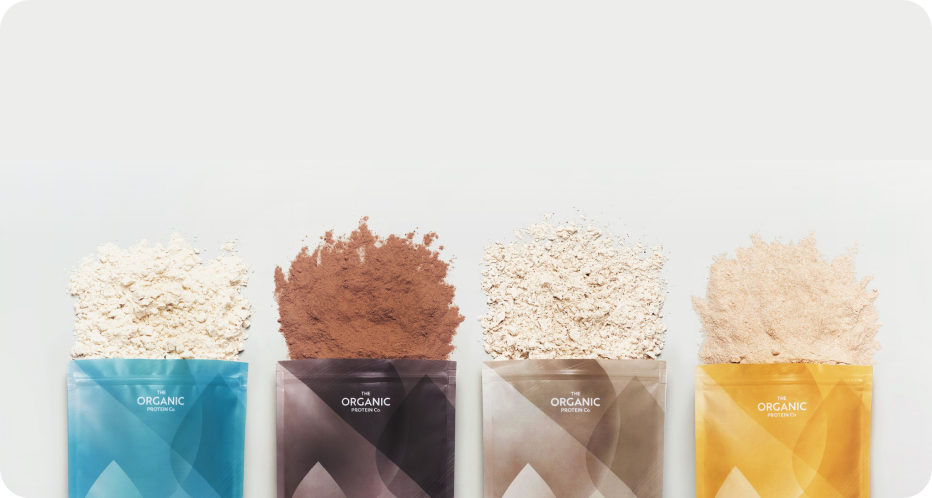
If you’d like to see examples of a minimal-ingredient protein, you can explore our range here.

Using NOVA as a Tool
The NOVA system is a helpful framework, but it is only a starting point. While protein powders sit within Group 4 due to the processes required to produce them, that label alone does not capture the full picture.
Looking more closely at the ingredient list gives you a better sense of how a product is formulated. A shorter list with recognisable ingredients often reflects a more minimal approach, whereas longer lists with gums, emulsifiers, and artificial sweeteners indicate a higher level of formulation.
At The Organic Protein Co., we take a simple approach. Our whey is certified organic and made without the additives most commonly associated with UPF concerns. By focusing on ingredient quality and keeping formulations minimal, we aim to offer a protein that aligns more closely with whole-food principles, despite the constraints of the NOVA system.
To better understand the link between protein powder and ultra-processing, and what it means in practice, you can read our full guide.

