





Sustainability in protein powder production depends on a range of factors, including how ingredients are sourced, how products are manufactured, how far they travel, and the packaging used. Understanding these factors can help you look beyond broad environmental claims and make more informed comparisons.

Ingredient Sourcing and Farming Practices
The environmental impact of a protein powder starts with the production of its raw ingredients.
For dairy-based proteins, factors such as animal welfare standards, land management practices and farming inputs may all influence sustainability outcomes. For plant-based proteins, considerations can include crop production methods, soil management and transport requirements.
Organic certification can provide assurance that specific standards have been met regarding pesticide use, fertilisers and farming practices, although it does not measure every aspect of environmental performance.

Processing, Transport and Packaging
The environmental footprint of a protein powder is influenced by more than the protein source alone. Manufacturing processes, transportation distances, packaging materials and waste management all contribute to the overall impact of a product. As a result, comparing sustainability claims can be complex.
Brands that provide clear information about their sourcing and supply chains can make these comparisons easier.

Third-Party Certifications and Transparency
Independent certifications can help consumers assess sustainability claims.
Depending on the product, these may include organic certification or other recognised environmental and social standards. Independent testing can also demonstrate commitment to ingredient sourcing and overall nutritional value. It’s also worth looking for brands that are transparent about how their products are made.

Look Beyond Sustainability Claims
Sustainability is a complex topic, and there is rarely a single measure that tells the whole story.
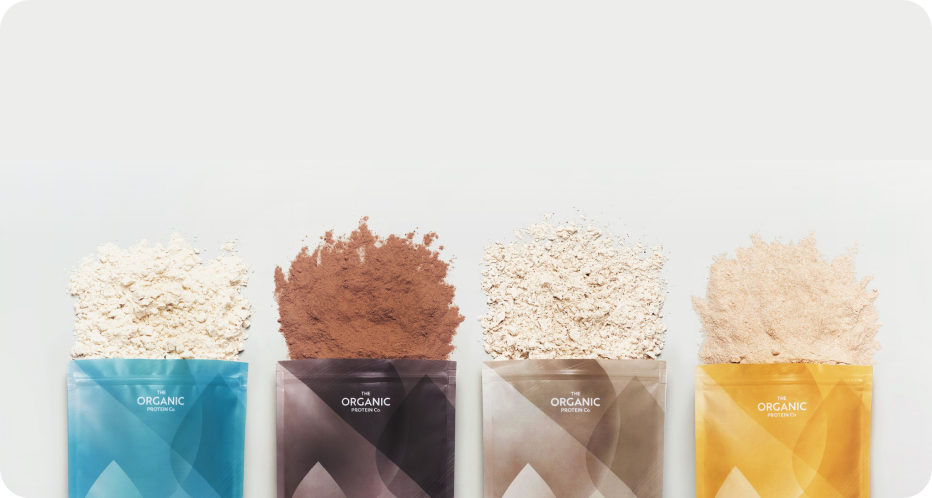
At The Organic Protein Co., our whey is certified organic, sourced from pasture-raised cows and produced with a focus on ingredient transparency. By cold filtering without chemicals, our whey remains undenatured with its delicate bioactive proteins preserved. None of our protein powders contain artificial additives, and we are transparent about the source of the ingredients we use.
No whey protein concentrates are UPF-free, and like all whey protein powders ours are classified as NOVA Group 4 due to the way they are made. However, we believe transparency about sourcing and how our whey protein is made is an important part of helping consumers make informed choices.
Find out more about why whey protein is classified as an ultra-processed food in our full guide: Is Whey Protein a UPF? What “UPF-Free” Really Means.

